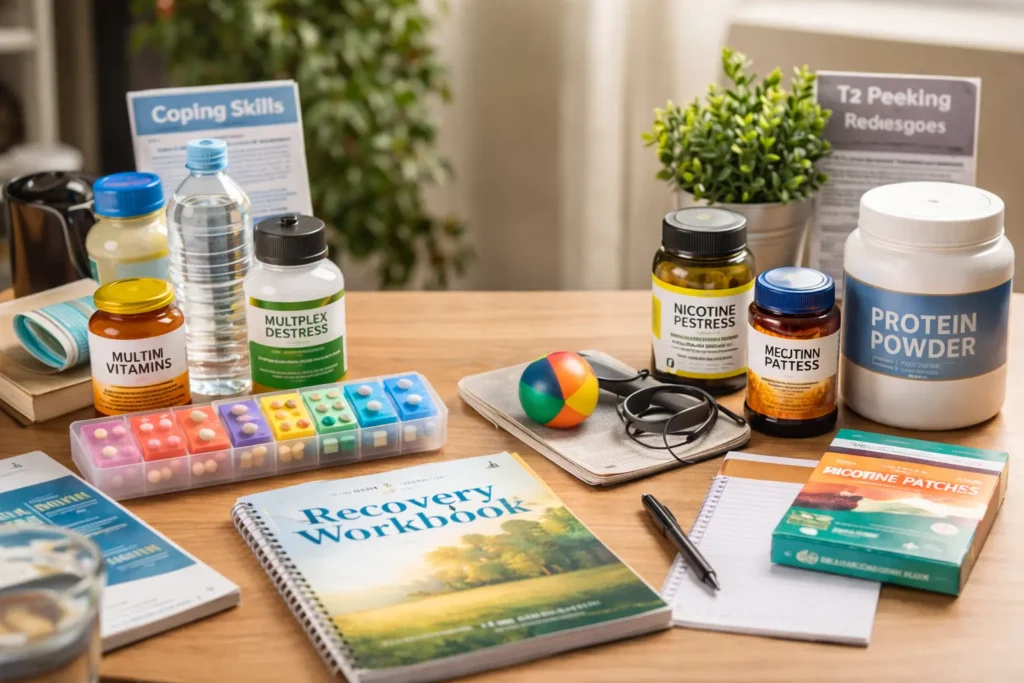
With the right support, environment, and commitment, drug rehab gives people the tools to achieve and maintain meaningful recovery.

Drug addiction can feel overwhelming—for both the person struggling and their loved ones. The question many people ask is simple: does drug rehab really work?
At The Sydney Retreat, we understand that recovery is a journey, not a one-time event. Evidence-based treatment, personalised care, and ongoing support are essential for lasting success. This article explores how drug rehab works, what factors influence its effectiveness, and how you or a loved one can make the most of treatment.

Understanding Drug Rehab
Drug rehab is a structured program designed to help individuals stop using substances, manage withdrawal symptoms, and rebuild their lives. It addresses the physical, psychological, and social aspects of addiction, recognising that substance use disorder is a chronic disease—not a moral failing.
Rehab programs often include:
- Therapy and Counselling: Addressing the underlying causes of addiction
- Group Therapy: Recovery thrives in community
- Residential Environment: A comfortable residential rehab setting
- Aftercare Programs: Ensuring ongoing support after leaving the facility
By combining these approaches, rehab provides a comprehensive pathway to recovery.
How Effective Is Drug Rehab?
The effectiveness of rehab varies based on several key factors. While no program guarantees 100% success, research and clinical experience show that rehab significantly increases the likelihood of long-term recovery.
Factors That Affect Rehab Success
- Personal Motivation
Recovery requires a genuine desire to change. Individuals who are internally motivated are more likely to engage fully in therapy and adhere to treatment plans. - Program Quality
Evidence-based programs that offer structured schedules, professional care, and holistic support are more effective than unregulated or short-term programs. - Length of Treatment
Longer programs tend to produce better outcomes. Short stays may only address immediate withdrawal symptoms, while extended programs tackle underlying issues and equip patients with coping strategies. - Support Systems
Family involvement, peer support, and aftercare groups like Narcotics Anonymous (NA) significantly improve recovery rates. - Addressing Co-Occurring Conditions
Many people with addiction also struggle with mental health disorders such as anxiety, depression, or trauma. Comprehensive treatment that addresses both addiction and mental health improves long-term success.
Evidence from Research

- Studies indicate that 40–60% of individuals relapse after rehab, which is comparable to relapse rates for other chronic illnesses like diabetes or hypertension.
- Research shows that combining therapy, medical support, and social support can significantly reduce relapse risk.
- Programs that emphasise skills development, coping strategies, and lifestyle changes tend to have higher success rates than detox alone.
These statistics demonstrate that rehab is effective—but only when approached as part of a long-term recovery plan.
Types of Drug Rehab Programs
Understanding the types of rehab programs can help determine the most suitable option:
- Inpatient (Residential) Rehab
- Participants live at the facility full-time
- Provides 24/7 medical and emotional support
- Structured daily schedules, including therapy and group sessions
- Ideal for severe addiction or individuals with limited support at home
- Outpatient Rehab
- Participants attend scheduled therapy sessions but live at home
- Offers flexibility for work or family obligations
- Suitable for mild to moderate addiction or as follow-up care after residential treatment
- Detox Programs
- Medical supervision to safely manage withdrawal
- Often the first step before therapy-based rehab
- Essential for substances with severe withdrawal risks, such as alcohol, opioids, or benzodiazepines
- Holistic and Community-Based Programs
- Focus on physical, mental, and emotional wellbeing
- Include exercise, nutrition, mindfulness, and peer support
- Encourage long-term lifestyle changes to maintain sobriety
At The Sydney Retreat, our goal is to set you up with the knowledge, tools and community to facilitate lasting recovery.
After attending The Sydney Retreat, 59% of people were sober after 12 months which far exceeds the low recovery rates attributed to other rehabilitation centres that apply different treatments.
Drug rehab does more than help individuals stop using substances—it addresses the root causes of addiction and equips people with tools for lasting recovery.

Key Benefits of Rehab
- Health Improvements: Reduces risk of overdose, organ damage, and mental health decline
- Emotional Stability: Therapy and counselling help manage stress, trauma, and anxiety
- Rebuilding Relationships: Rehab provides space to repair trust with family and friends
- Skill Development: Individuals learn coping mechanisms, relapse prevention strategies, and life skills
- Long-Term Sobriety: Structured support and aftercare reduce the risk of relapse
These benefits demonstrate that rehab is not just about quitting drugs—it’s about reclaiming a healthy, meaningful life.
Common Misconceptions about Drug Rehab
Many people hesitate to enter rehab due to myths or misunderstandings:
- “Rehab is only for extreme cases.”
Rehab is beneficial at all stages of addiction. Early intervention increases the chance of long-term recovery. - “You have to hit rock bottom first.”
Waiting until the situation worsens can make recovery more difficult. Seeking help early improves outcomes. - “Detox is enough.”
Detox manages withdrawal but does not address the psychological or social factors that cause relapse. - “Relapse means failure.”
Relapse is often part of the recovery journey. Professional support helps individuals get back on track without shame.
Steps to Maximise the Effectiveness of Rehab
- Commit to the Process – Full engagement in therapy, group sessions, and activities is critical.
- Follow Aftercare Plans – Ongoing counselling and support groups reduce relapse risk.
- Build a Supportive Environment – Surround yourself with understanding family and sober peers.
- Address Underlying Issues – Treat co-occurring mental health conditions alongside addiction.
- Develop Healthy Habits – Exercise, nutrition, mindfulness, and meaningful routines support long-term recovery.
The question, “Does drug rehab really work?”, has a clear answer: Yes, it can work—but success depends on commitment, program quality, and ongoing support or cost restrictions. Rehab is not a quick fix; it is a structured journey that addresses the physical, emotional, and social dimensions of addiction.
At The Sydney Retreat, we provide personalised, evidence-based treatment in a supportive community setting, helping individuals not only stop using drugs but also build a healthier, more fulfilling life. Recovery is possible, and it begins with taking the first courageous step.
If you or a loved one is struggling with drug addiction, reach out to The Sydney Retreat today—because lasting recovery is within reach.