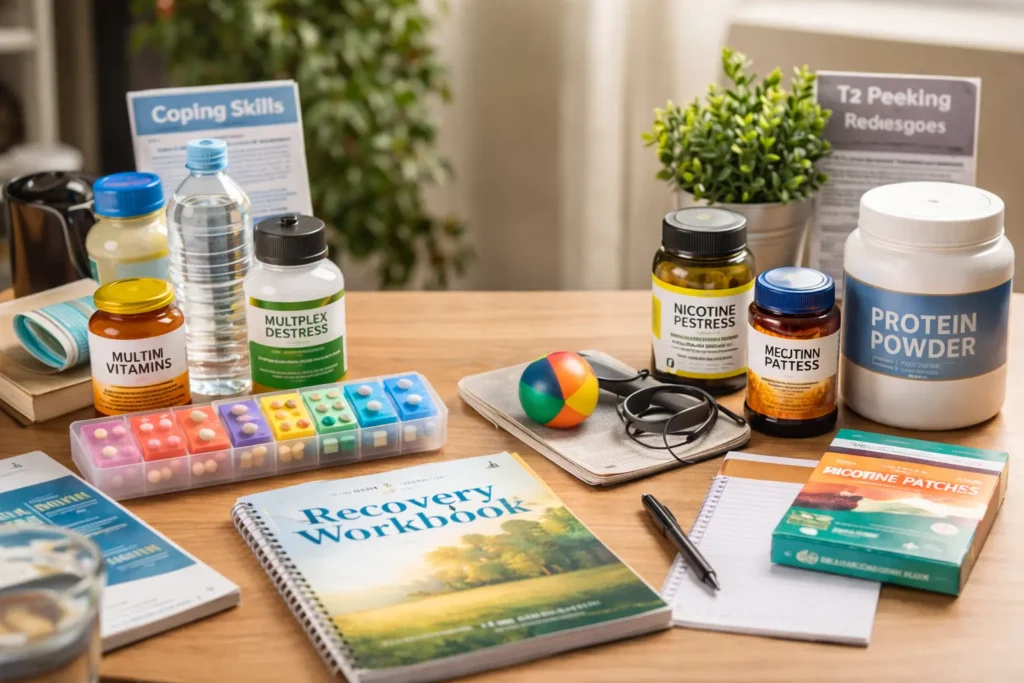
Am I an alcoholic? Learn the key signs, symptoms, and self-assessment questions to identify alcohol dependence and discover the next steps toward recovery and support.


Recognising that alcohol may be affecting your life is often the first step toward recovery. Many people ask themselves: “Am I an alcoholic?” or “Is my drinking becoming a problem?” Understanding the signs of alcohol dependence can help you take action before it impacts your health, relationships, or career.

At The Sydney Retreat, we provide compassionate guidance, evidence-based treatment, and support to help individuals regain control of their lives. This article explains how to know if you are struggling with alcohol use, what factors contribute to dependence, and the steps you can take toward recovery.
Understanding Alcoholism
Alcoholism, or alcohol use disorder (AUD), is a chronic medical condition characterised by an inability to control drinking despite negative consequences. It affects the brain, body, and behaviour, altering how you experience pleasure, stress, and decision-making.
Alcoholism is not a moral failing—it is a recognised health condition that can be treated effectively with professional support, lifestyle changes, and therapy.
Common Signs You May Be an Alcoholic
While occasional drinking is common, alcoholism presents differently and can escalate over time. Here are some key signs to watch for:
- Loss of Control Over Drinking
- Drinking more than intended
- Difficulty stopping once you start
- Frequently drinking alone or in secret
- Cravings and Preoccupation
- Thinking about alcohol constantly
- Planning your day or activities around drinking
- Feeling anxious or irritable when alcohol is unavailable
- Increased Tolerance
- Needing more alcohol to feel the desired effect
- Drinking more than others without feeling intoxicated
- Withdrawal Symptoms
- Shaking, sweating, nausea, or headaches when not drinking
- Anxiety, insomnia, or irritability during periods without alcohol
- Neglecting Responsibilities
- Skipping work, school, or social obligations due to drinking
- Difficulty maintaining relationships or fulfilling commitments
- Continued Use Despite Consequences
- Persistent drinking despite health, financial, or legal problems
- Repeatedly promising to cut down or quit, but failing
Psychological and Emotional Indicators
Alcoholism is not only physical—your emotions and mental health can also be affected:
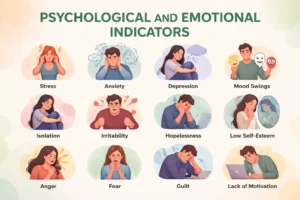
- Using alcohol to cope with stress, anxiety, or depression
- Feeling guilt, shame, or regret about drinking habits
- Loss of interest in hobbies or activities you once enjoyed
- Mood swings, irritability, or emotional instability related to drinking
Recognising these patterns is essential, as they often signal that professional support may be needed.
Questions to Ask Yourself
If you are unsure whether your drinking is problematic, ask yourself the following:
- Do I frequently drink more than I intend?
- Have I tried to cut down or stop and failed?
- Do I hide my drinking from others?
- Do I experience withdrawal symptoms when I don’t drink?
- Has my drinking negatively impacted my health, relationships, or work?
Answering “yes” to one or more of these questions may indicate alcohol dependence and should prompt further evaluation.
The Role of Genetics and Environment
Alcoholism is influenced by a combination of genetic, environmental, and psychological factors:
- Genetics: A family history of alcohol dependence increases risk
- Environment: Stressful life events, peer pressure, and social norms can contribute
- Mental Health: Anxiety, depression, or trauma can increase the likelihood of using alcohol as a coping mechanism
Understanding these factors can help you approach recovery with compassion for yourself and clarity about potential triggers.
Self-Assessment Tools
Professional organisations provide validated tools to help assess alcohol use:
- AUDIT (Alcohol Use Disorders Identification Test): Screens for hazardous and harmful drinking
- CAGE Questionnaire: A brief set of four questions to identify potential alcoholism
- The Sydney Retreat Self-Assessment: A quick questionnaire
These assessments are not a diagnosis but can guide whether to seek professional help.
Steps to Take If You Think You Are an Alcoholic
Recognising the problem is the first step toward recovery. Here’s what you can do:
- Seek Professional Assessment
- Consult a doctor, addiction specialist, or counsellor
- A medical professional can evaluate your physical health, drinking patterns, and mental wellbeing
- Consider Treatment Options
- Outpatient programs: Flexible therapy sessions while living at home
- Inpatient/residential rehab: Structured environment with 24/7 support
- Detox programs: Medically supervised withdrawal for safety and comfort
- Build a Support System
- Reach out to family, friends, or support groups like Alcoholics Anonymous (AA)
- The Sydney Retreat Breakfast Club
- Honest communication and accountability improve recovery outcomes
- Develop Healthy Coping Mechanisms
- Exercise, mindfulness, and hobbies can replace alcohol as a stress-relief tool
- Journaling, meditation, and therapy help manage triggers and emotions
- Set Realistic Goals
- Decide whether to reduce drinking gradually or quit completely
- Celebrate milestones to reinforce progress

Why Professional Help Matters
Alcoholism is a complex condition that affects the brain, body, and behaviour. While some people may quit independently, research shows that structured treatment significantly improves success rates.
At The Sydney Retreat, we offer:
- Evidence-based therapies including CBT and group therapy
- Sober House living and recovery Programs
- Holistic programs addressing mental, emotional, and social wellbeing
- Aftercare planning for long-term recovery
Professional support not only improves physical health but also equips you with the tools to maintain sobriety and rebuild your life.
If you are asking yourself, “Am I an alcoholic?”, it is a sign of self-awareness and courage. Recognising problematic drinking patterns is the first step toward recovery. Alcoholism is treatable, and professional support greatly increases the chances of long-term success.
At The Sydney Retreat, we provide compassionate care, evidence-based programs, and ongoing support to help individuals regain control over their lives. Whether you are ready to take the first step or simply seeking guidance, reaching out today can be the start of a healthier, alcohol-free future.
Recovery is possible, and it begins with recognising the problem and asking for help.