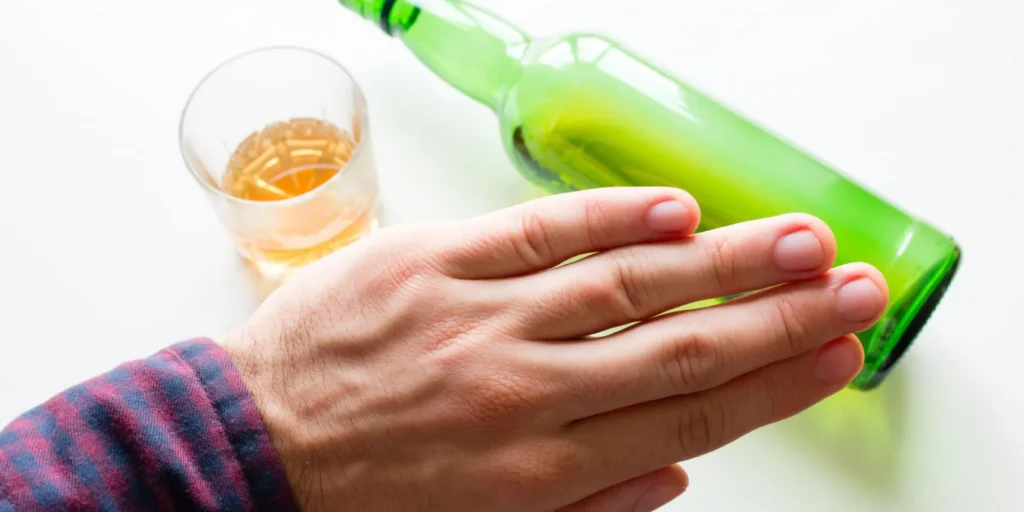
What do alcoholics receive in rehab? Learn about detox medications, craving-reduction treatments, therapy, and holistic support used to achieve safe, long-term recovery.

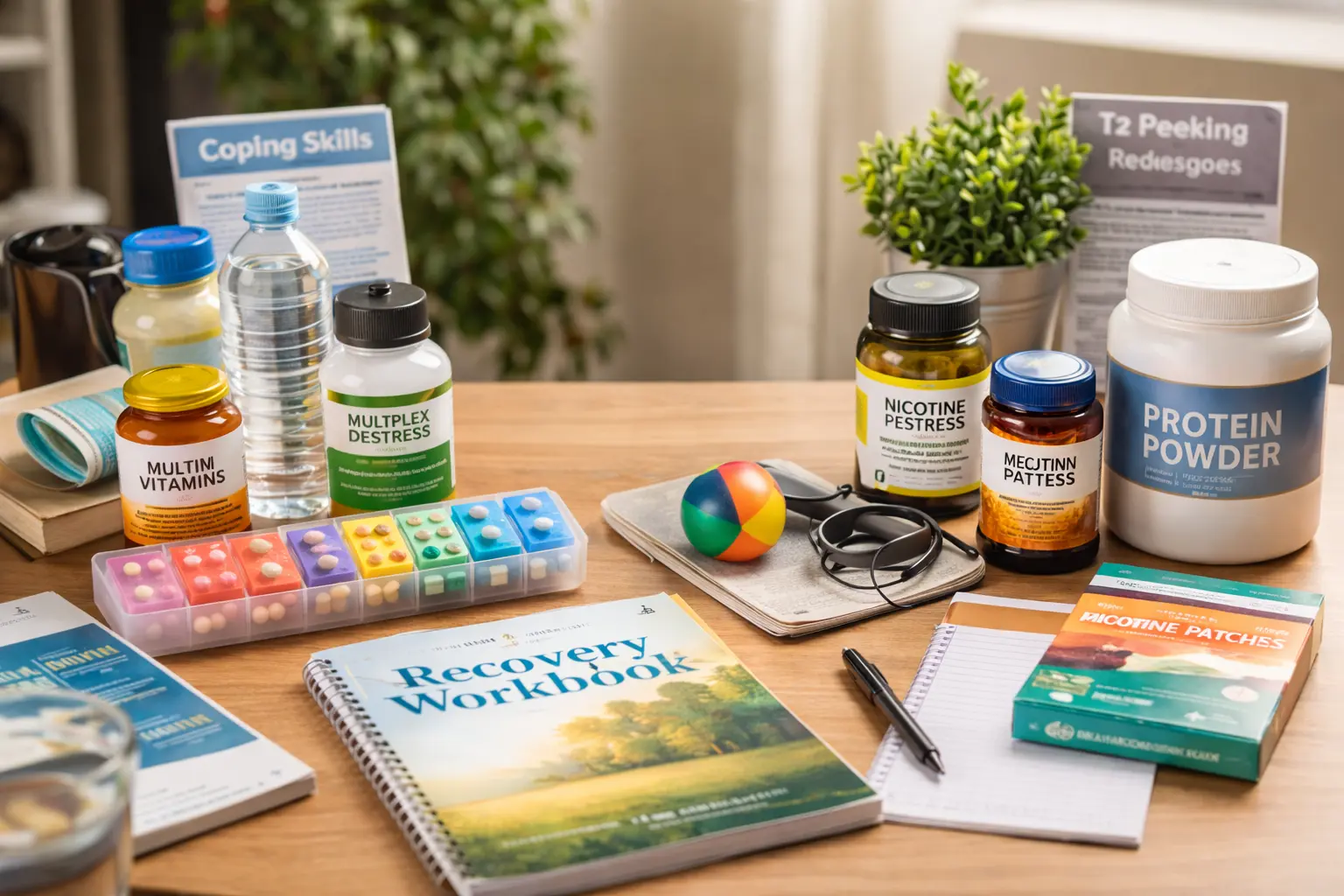
Entering alcohol rehab can be an overwhelming experience, especially if you’re unsure what to expect. Many people wonder: “What do they give to alcoholics in rehab?” Understanding the treatments, medications, and therapies used can help you feel prepared and confident in your recovery journey.

At The Sydney Retreat, we provide personalised, evidence-based care designed to support individuals safely through every stage of recovery. This guide explains the types of treatments, medications, and therapies typically provided in rehab, how they work, and why each is essential to successful alcohol recovery.
Understanding the Purpose of Rehab Treatments
Alcohol rehab is designed to address the physical, psychological, and emotional aspects of alcohol use disorder. The treatments provided are tailored to:
- Safely manage withdrawal symptoms
- Reduce cravings and the risk of relapse
- Address underlying mental health conditions
- Teach coping strategies and life skills for long-term sobriety
Rather than simply “giving” something to a person, rehab provides a combination of medical care, therapy, and support systems to guide individuals toward recovery.
Medications Given to Alcoholics in Rehab
For many individuals, medications play a crucial role in managing alcohol dependence. These are used under medical supervision and are tailored to each person’s needs.
- Medications for Withdrawal Management
During detox, alcoholics may experience withdrawal symptoms such as:
- Tremors or shaking
- Nausea and vomiting
- Anxiety or irritability
- Sweating or rapid heartbeat
- Seizures in severe cases
Common medications include:
- Benzodiazepines (e.g., diazepam, lorazepam) – Reduce anxiety, prevent seizures, and ease withdrawal symptoms
- Anti-seizure medications – Prescribed in cases of severe withdrawal risk
- Beta-blockers – Help control rapid heartbeat and tremors
Medical supervision is critical during detox to ensure safety and comfort.
- Medications to Reduce Cravings
Once withdrawal is managed, certain medications help reduce cravings and the risk of relapse:
- Naltrexone – Reduces the pleasurable effects of alcohol and lowers cravings
- Acamprosate – Helps restore chemical balance in the brain and supports abstinence
- Disulfiram (Antabuse) – Causes unpleasant reactions if alcohol is consumed, deterring relapse
These medications are part of a comprehensive treatment plan and are most effective when combined with therapy and support.
- Medications for Co-Occurring Mental Health Conditions
Many individuals in rehab also experience anxiety, depression, or other mental health disorders. Treating these conditions is essential for successful recovery:
- Antidepressants (e.g., SSRIs) – Manage depression and mood disorders
- Anti-anxiety medications – Address ongoing anxiety, often used short-term
- Mood stabilisers – For individuals with bipolar disorder or emotional dysregulation

Therapies and Counselling Provided in Rehab
While medications help manage physical symptoms and cravings, therapy addresses the psychological and behavioural aspects of addiction.
- Individual Therapy
- Cognitive Behavioural Therapy (CBT) identifies triggers and develops coping strategies
- Motivational interviewing helps individuals strengthen commitment to sobriety
- Trauma-focused therapy addresses past experiences that may contribute to alcohol use
- Group Therapy
- Peer support fosters shared experiences and accountability
- Group discussions teach practical skills for coping with triggers
- Promotes community and reduces feelings of isolation
- Helps repair relationships damaged by alcohol use
- Educates family members about addiction and relapse prevention
- Strengthens communication and support networks
- Holistic Therapies
Many rehab programs, including The Sydney Retreat, offer complementary therapies:
- Mindfulness and meditation to manage stress and cravings
- Yoga and exercise for physical and mental wellbeing
- Art or music therapy to explore emotions in a creative way
Other Supportive Treatments in Rehab
In addition to medications and therapy, rehab programs often provide:
- Nutritional Support – Alcohol can deplete vitamins and minerals, so tailored nutrition plans help restore health
- Medical Monitoring – Regular check-ups to monitor liver function, cardiovascular health, and other alcohol-related conditions
- Relapse Prevention Planning – Developing personalised strategies to maintain sobriety after leaving rehab
- Education Sessions – Teaching individuals about the effects of alcohol on the brain, body, and behaviour
These treatments work together to address all aspects of addiction, increasing the likelihood of long-term success.
What Rehab Does Not Do
It’s important to understand that rehab does not simply “give” alcoholics a cure or magic pill. Recovery is an active process:
- Individuals must engage in therapy and participate in activities
- Success depends on willingness to change and commitment to treatment
- Medications support recovery but are most effective when combined with counselling and lifestyle changes
Duration of Treatment
The treatments provided in rehab are tailored to individual needs, which also affects how long a program lasts:
- Detox: Typically 5–10 days
- Short-term residential rehab: Around 28 days
- Long-term rehab: 8–12 weeks or longer for severe dependence
- Outpatient programs: Several months, depending on therapy frequency and goals
- Aftercare: Ongoing, often lifelong
Why Choose The Sydney Retreat
The Sydney Retreat fosters a strong sense of connection with an existing recovery community. Our programs combine:

- Individual, group, and family therapy
- Medications to manage cravings and co-occurring mental health conditions
- Holistic therapies for emotional, mental, and physical wellbeing
- Structured aftercare to maintain long-term sobriety
Our goal is to guide individuals through every stage of recovery, equipping them with the tools, skills, and support needed for lasting success.
So, what do they give to alcoholics in rehab? It depends on the type of institution before going into the answer. Rehab addresses not just the physical aspects of alcohol dependence, but also the emotional, psychological, and social dimensions, ensuring a holistic path to recovery.
At The Sydney Retreat, our evidence-based programs provide a safe, supportive, and structured environment where individuals can recover, rebuild their lives, and maintain long-term sobriety. If you or a loved one is struggling with alcohol, reaching out today can be the first step toward a healthier, alcohol-free future.
We do offer group therapy, holistic therapies, family support programs, education sessions and recovery tools, structured aftercare and community support, relapse prevention planning, nutritional support (private chef) and sober living programs.