How long does alcohol rehab take? Learn typical timelines for detox, inpatient, outpatient care, and aftercare, plus factors that influence recovery duration and success.

Deciding to enter alcohol rehab is a significant step toward recovery, but many people have questions about the process—especially about how long rehab takes. The duration of alcohol treatment can vary depending on individual needs, the severity of alcohol use disorder, and the type of program chosen. Understanding the typical timelines, what to expect during each stage, and the factors that influence treatment duration can help set realistic expectations and prepare you for a successful recovery journey.

At The Sydney Retreat, we provide personalised, evidence-based programs designed to guide individuals safely through every stage of recovery. This guide explores the stages of rehab, factors affecting duration, and tips to maximise long-term success.
Why Rehab Duration Varies
There is no “one-size-fits-all” answer to how long alcohol rehab takes. Several factors influence the length of treatment, including:
- Severity of Alcohol Use Disorder – Heavy, long-term alcohol use often requires longer treatment than moderate dependence.
- Physical Health – Underlying health conditions or complications from alcohol use may extend treatment time.
- Mental Health – Co-occurring conditions such as anxiety, depression, or trauma often require additional therapy.
- Type of Rehab Program – Residential (inpatient), outpatient, detox-only, or holistic programs each have different timelines.
- Personal Goals – Some individuals aim for complete abstinence, while others focus on reducing drinking or learning coping strategies.
Because these factors differ for everyone, rehab duration is tailored to the individual’s needs and recovery goals.
Stages of Alcohol Rehab and Typical Timelines
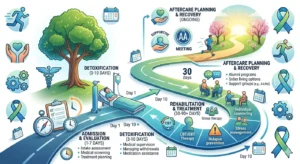
Alcohol rehab generally progresses through several stages, each with its own timeframe:
- Medical Detoxification (Detox)
Duration: 5–10 days (sometimes longer for severe dependence)
Detox is the first stage of rehab, focusing on safely managing withdrawal symptoms under medical supervision. Symptoms may include:
- Tremors or shaking
- Sweating and nausea
- Anxiety or irritability
- Sleep disturbances
Key Points:
- Detox ensures safety and comfort during withdrawal
- Medications may be prescribed to reduce symptoms
- Completion of detox prepares individuals for the next stage of therapy
- Inpatient/Residential Rehab
Duration: Typically 28 days, though programs may range from 4–12 weeks or longer
Residential rehab provides a structured, supportive environment where individuals live on-site and participate in:
- Individual therapy sessions
- Group therapy and peer support
- Educational workshops on addiction and relapse prevention
- Holistic activities such as mindfulness, exercise, and art therapy
Benefits of Longer Programs:
- More time to address underlying causes of addiction
- Opportunity to develop coping strategies for high-risk situations
- Greater support and accountability to reinforce long-term recovery
- Outpatient Programs
Duration: Varies from 8 weeks to several months
Outpatient programs allow individuals to continue living at home while attending therapy sessions multiple times per week. This approach is suitable for:
- Mild to moderate alcohol dependence
- Individuals with strong support networks at home
- Continuing care after inpatient rehab
Key Features:
- Flexible scheduling for work or family commitments
- Access to counselling, group therapy, and educational workshops
- Focus on applying skills learned in rehab to daily life
- Ongoing Aftercare and Maintenance
Duration: Indefinite, often lifelong
Recovery does not end when formal rehab finishes. Aftercare programs and support networks are essential for maintaining sobriety:
- Regular therapy sessions
- Participation in support groups like Alcoholics Anonymous (AA)
- Sober living programs for structured, alcohol-free environments
- Continued focus on lifestyle changes, stress management, and healthy habits
Why Aftercare Matters:
- Reduces the risk of relapse
- Provides ongoing accountability
- Helps navigate triggers and challenges in everyday life
Factors That Can Extend or Shorten Rehab
- Severity of Addiction – Heavy, long-term alcohol use often requires extended rehab.
- Co-Occurring Mental Health Conditions – Anxiety, depression, or trauma may lengthen treatment.
- Motivation and Engagement – Active participation and commitment can accelerate progress.
- Support Systems – Strong family, social, or peer support can facilitate recovery.
- Previous Rehab Attempts – Individuals who have relapsed may require a longer or more intensive program.
Tips to Maximise Rehab Success
Entering rehab is just the first step. To make the most of your treatment:
- Commit Fully to the Program – Engage in all therapy sessions and activities.
- Be Honest – Share your challenges openly with therapists and peers.
- Build a Support Network – Surround yourself with understanding family, friends, or recovery communities.
- Plan for Aftercare – Discuss ongoing therapy, support groups, and relapse prevention strategies before leaving rehab.
- Adopt Healthy Lifestyle Changes – Nutrition, exercise, and stress management are key to sustaining recovery.
 Why Choose The Sydney Retreat
The Sydney Retreat fosters a strong sense of connection with an existing recovery community. Our programs focus on:
- Safe, medically supervised detox
- Residential and outpatient therapy programs
- Holistic care addressing physical, emotional, and social wellbeing
- Peer support and community-based recovery
- Comprehensive aftercare planning
Our goal is to guide individuals through every stage of recovery, ensuring they have the tools and support needed for long-term sobriety.
The duration of alcohol rehab varies depending on individual needs, severity of dependence, and the type of program chosen. From detox to residential or outpatient programs, and ongoing aftercare, each stage plays a critical role in recovery.
At The Sydney Retreat, we provide structured, evidence-based treatment designed to help individuals stop drinking, address the root causes of addiction, and build a healthier, alcohol-free life. Understanding what to expect and committing to the process significantly increases the chances of lasting recovery.
If you or a loved one is considering rehab, reaching out today can be the first step toward a safer, healthier, and more fulfilling future.