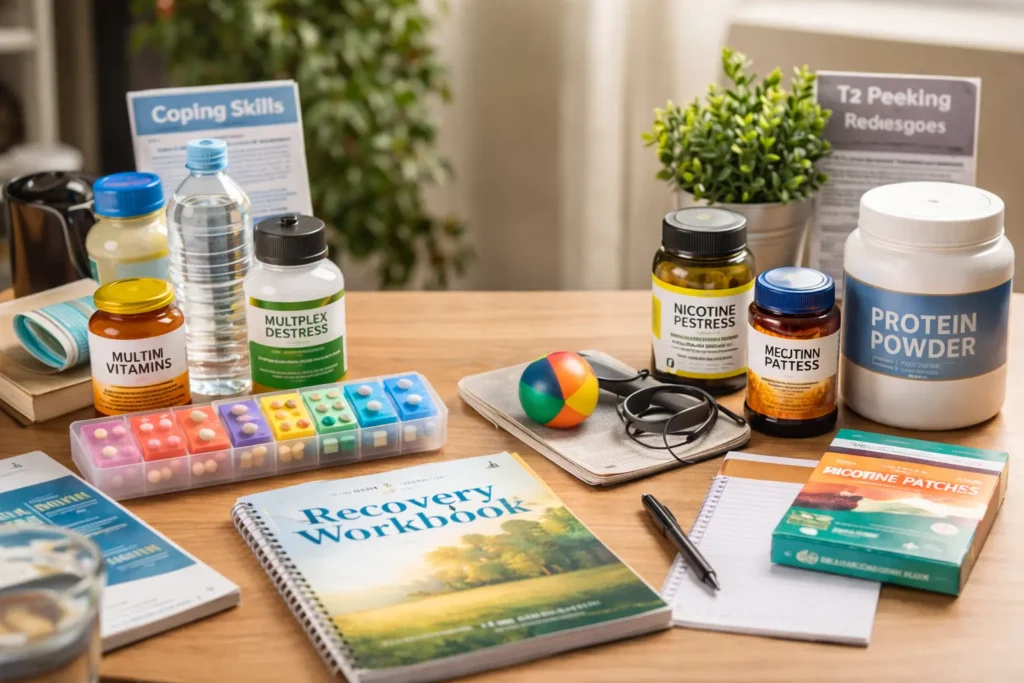
When someone you care about is struggling with alcohol, knowing how to help can be difficult. This guide offers gentle, practical support grounded in both compassion and research.


Support, Compassion, and Evidence-Based Strategies from The Sydney Retreat

Supporting someone you care about through alcohol addiction can be challenging, emotional, and at times overwhelming. You may feel unsure of what to say, how to encourage them to seek help, or what steps to take next. The good news is that recovery is possible—and the right approach can make a significant difference.
This guide from The Sydney Retreat outlines practical, compassionate, and research-backed ways to help an alcoholic while ensuring your own wellbeing is protected.
Understanding Alcohol Addiction
Before you can help someone with a drinking problem, it’s essential to understand what alcohol addiction truly is. Alcohol use disorder (AUD) is a chronic medical condition that affects brain chemistry, decision-making, impulse control, and emotional regulation. It is not a moral failing or a lack of willpower.
Common Signs of Alcohol Addiction
Someone may be struggling with alcohol if they:
- Drink more frequently or in larger amounts than before
- Hide alcohol use or lie about drinking
- Experience blackouts or memory gaps
- Become irritable, defensive, or withdrawn
- Continue drinking despite harmful consequences to health, relationships, or finances
- Neglect responsibilities at work or home
- Show physical withdrawal symptoms such as shaking, sweating, or nausea
Recognising these signs early helps you respond in a supportive and informed way.
How to Approach Someone Who Is Drinking Too Much
Starting a conversation about alcohol use requires care, preparation, and empathy. Here’s how to increase the likelihood of a constructive and non-defensive dialogue.
- Choose the Right Time and Setting
Avoid discussing the issue when the person is drunk, hangover, or stressed. Instead, choose a calm, private moment when they are sober and more open to listening.
- Use Compassionate, Non-Judgmental Language
Focus on concerns, not criticism. Replace accusations with “I” statements such as:
- “I’m worried about your health.”
- “I’ve noticed you seem stressed lately.”
- “I care about you and want to support you.”
This reduces defensiveness and keeps the conversation grounded in care.
- Avoid Ultimatums Unless Absolutely Necessary
Ultimatums can damage trust and may push the person further into denial. They should only be used when safety is at risk—for example, where children are involved or violence occurs.
- Listen More Than You Speak
Allow them to express feelings, frustrations, or fears. Active listening builds trust and increases the chances that they’ll eventually seek help.

How to Support an Alcoholic without Enabling Them
There is a fine line between supporting someone and unintentionally enabling their drinking. Understanding that distinction is crucial.
Try Our – DO I HAVE A DRINKING PROBLEM TEST Here
What Enabling Looks Like
Enabling may include:
- Covering up for their behaviour
- Providing money that ends up being spent on alcohol
- Making excuses to employers, friends, or family
- Taking over responsibilities they avoid because of drinking
While enabling actions may come from a place of love, they allow the addiction to continue unchecked.
Healthy Ways to Support Instead
- Set clear personal boundaries
- Encourage professional help
- Offer emotional support without fixing the problem for them
- Protect your own mental health
- Promote healthy alternatives such as exercise, routine, or social activities
Supporting responsibly empowers the person to take ownership of their recovery.
Why Professional Treatment Is Essential
Alcohol addiction rarely improves on its own. Professional treatment provides structure, safety, and proven therapeutic strategies that significantly increase the likelihood of recovery.
Benefits of Professional Support
- Medically supervised withdrawal and detox (if required)
- Access to experienced clinicians, counsellors, and support staff
- Evidence-based therapies such as CBT, mindfulness, and group work
- A structured environment free from triggers
- Community support and accountability
- Aftercare strategies to maintain long-term sobriety
At The Sydney Retreat, participants benefit from a welcoming, community-based residential environment that focuses on recovery, connection, and personal transformation.
Encouraging Someone to Seek Help
You cannot force someone to change—but you can positively influence their willingness to accept help.
- Provide Clear Information
Many people avoid treatment because they fear judgment or don’t understand their options. Gently share information about what professional rehab looks like and how it can help them reclaim their life.
- Focus on Benefits, Not Consequences
Rather than saying, “If you don’t stop drinking, you’ll lose everything,” focus on how treatment can:
- Improve their health
- Strengthen relationships
- Reduce stress
- Create a sense of control and stability
- Restore motivation and purpose
A positive, hopeful message is more effective than fear-based messaging.
- Offer Practical Help
Your support can make the next steps easier. Consider offering to:
- Research treatment options
- Accompany them to appointments
- Help them make calls or complete paperwork
- Support them during their first days of treatment
These small gestures can make a big difference.
- Involve Trusted Family Members or Friends
A collective, compassionate approach often provides the encouragement a person needs to seek treatment. Group support also emphasises that their wellbeing matters to the people who love them most.
How to Look After Yourself While Supporting an Alcoholic
Supporting someone with addiction is emotionally demanding. To be effective—and to protect your own health—you must maintain your wellbeing too.
Self-Care Strategies for Loved Ones
- Set realistic expectations
- Seek counselling or join support groups like Al-Anon
- Establish boundaries around behaviour you will not tolerate
- Take breaks when you need them
- Maintain your own routine, social life, and mental health
Remember: you cannot pour from an empty cup. Your wellbeing matters just as much.
When the Situation Becomes Urgent
Seek professional help immediately if the person:
- Becomes aggressive or violent
- Experiences severe withdrawal symptoms
- Puts themselves or others at risk
- Mentions self-harm or suicide
Emergency services should be contacted in any life-threatening situation.
Why Choose The Sydney Retreat for Alcohol Addiction Support

The Sydney Retreat provides a unique, person-centred approach to alcohol recovery. Based on a community model, the program focuses on connection, responsibility, and genuine care—giving participants a transformative environment where they can heal, rebuild, and thrive.
What Makes The Sydney Retreat Different
- A supportive community built on shared experience
- A safe, structured residential program
- Daily recovery sessions and 24/7 onsite support
- A compassionate team with lived experience
- A focus on long-term recovery and ongoing support
Families often report that seeing their loved one grow, reconnect, and rebuild their life at The Sydney Retreat is a life-changing experience.
Final Thoughts: Your Support Matters
Helping an alcoholic is never easy, but your compassion, patience, and willingness to learn can make a powerful difference. While you cannot control their choices, you can influence their path by offering consistent support, clear boundaries, and evidence-based guidance.
Professional treatment gives people the best chance at lasting recovery—and The Sydney Retreat is here to help every step of the way.
If you’re concerned about someone you love, reach out to The Sydney Retreat today. A conversation could be the beginning of a healthier, safer, and more hopeful future.